|
|

|
|
|
The Observe and Rapport Newsletter
|
A weekly guide of my favorite books, articles, products, and lifestyle habits.
|
|
April 8th, 2024 | by Kyle Brennan
|
|
Want this newsletter delivered to your inbox every week?
|
|

|
Thought of the Week
These days, it’s difficult to find someone who hasn’t thought about starting a podcast.
|
In my opinion, podcasting is one of the main reasons we've seen an immense evolution of human consciousness worldwide. In a world often reduced to faceless avatars and polarized debates, a podcast offers a chance to be seen and heard as a human being.
|
In September 2022, my cousin Keith, who studied audio engineering in college, asked me if I'd be interested in launching a podcast for Observe and Rapport. We would explore our favorite books, philosophies, and any other topic of mutual interest that we could think of.
|
Since we were kids, Keith and I have always had deep conversations at length. I knew "empty air" wouldn't be an issue for us and we would always have plenty to talk about.
|
So I said, "Let's do it."
|
Throughout the last year and a half, and 19 hour-plus episodes later, I've learned a lot about the podcasting format, and more importantly, about myself.
|
I would encourage anyone out there to try recording a podcast. Even if it's just setting up your iPhone camera and recording a discussion with a friend or significant other - you can learn a ton about yourself. And it's a shitload of fun.
|
Here are some of the things I've learned from the last 18 months of podcasting with Keith:
|
1) You sound better than you think
Hearing your own voice is always awkward. "Do I really sound like that?" After a couple of episodes, I was hyper-aware of all of my verbal ticks - saying um/like, smacking my tongue, or looking up at the ceiling before starting every sentence.
|
When I was younger, I took speech classes thanks to a Michael Strahan-sized gap in my front teeth. They trained me to correct my "S" sounds so I wouldn't develop a lisp. Ever since then, I've been extremely self-conscious of my "S's" in conversation and I always assumed I had a slight lisp and everyone else noticed it.
|
Then I listened to myself on our first episode and realized it's nowhere near as bad as I thought it was.
|
You sound better than you think.
|
2) You're more interesting than you think
Often, when Keith and I wrap up an hour-long podcast discussion, we feel like our conversation was flat; like we lacked the intellectual spark and engaging topics that we're always grasping for.
|
Then when we'd listen back we'd find ten AWESOME threads that we had completely forgotten about.
|
It goes to show we're often terrible judges of how we're performing in the moment.
|
Video will always give you the most honest assessment of your performance.
|
3) Podcasting is a form of journaling/blogging
You don't really understand something until you can explain it to someone else.
|
That's why journaling is such a powerful practice. Putting pen to paper allows your brain to gradually understand itself, giving you a sense of ownership over your thoughts. Journaling affords you the space to explain how you're feeling to yourself.
|
Podcasting is no different.
|
One of the advantages of recording for an audience is that the format forces you to find holes in your thinking. If you don't know what you're talking about, the audience will quickly pick up on your charlatanism.
|
Knowing I have a podcast coming up forces me to spend time synthesizing my ideas. The more time I spend synthesizing my ideas, the less friction I have between my thoughts and what comes out of my mouth.
|
Until you put your thoughts into spoken or written word, they're just a collection of dots with no linear connection.
|
David Perell says that we read to collect the dots and we write to connect them.
|
Speaking is essentially an oral form of writing or journaling through your ideas.
|
If the quality of your thoughts is determined by the quality of your reading, then the quality of your writing [and speaking] is determined by the quality of your thoughts.
|
|

|
What I'm Reading
|
|
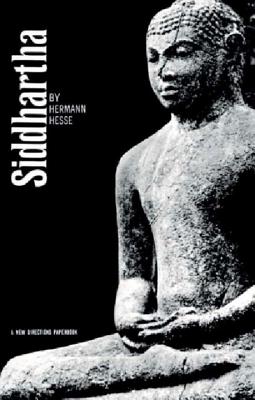
Siddhartha is an elegant allegory about a man going through different phases as he pursues a lifelong quest to rid himself of his ego so that he can come to know true peace and enlightenment.
“One must find the source within one’s own Self, one must possess it. Everything else was seeking — a detour, an error.”
We must find our own peace. Siddhartha followed the teachings of others and it granted him very little happiness. He meets Buddha and realizes that the only way he can achieve the same degree of serenity is to find it himself. So he takes his own path, albeit an indirect one, and finally awakens his mind into a sense of enlightenment.
This book has many questions that can be asked for eternity, but never answered to the satisfaction of everyone, well worth reading.
Rating: 3.3 / 5 ⭐️⭐️⭐️
|
|
Article I'm Reading
|
|
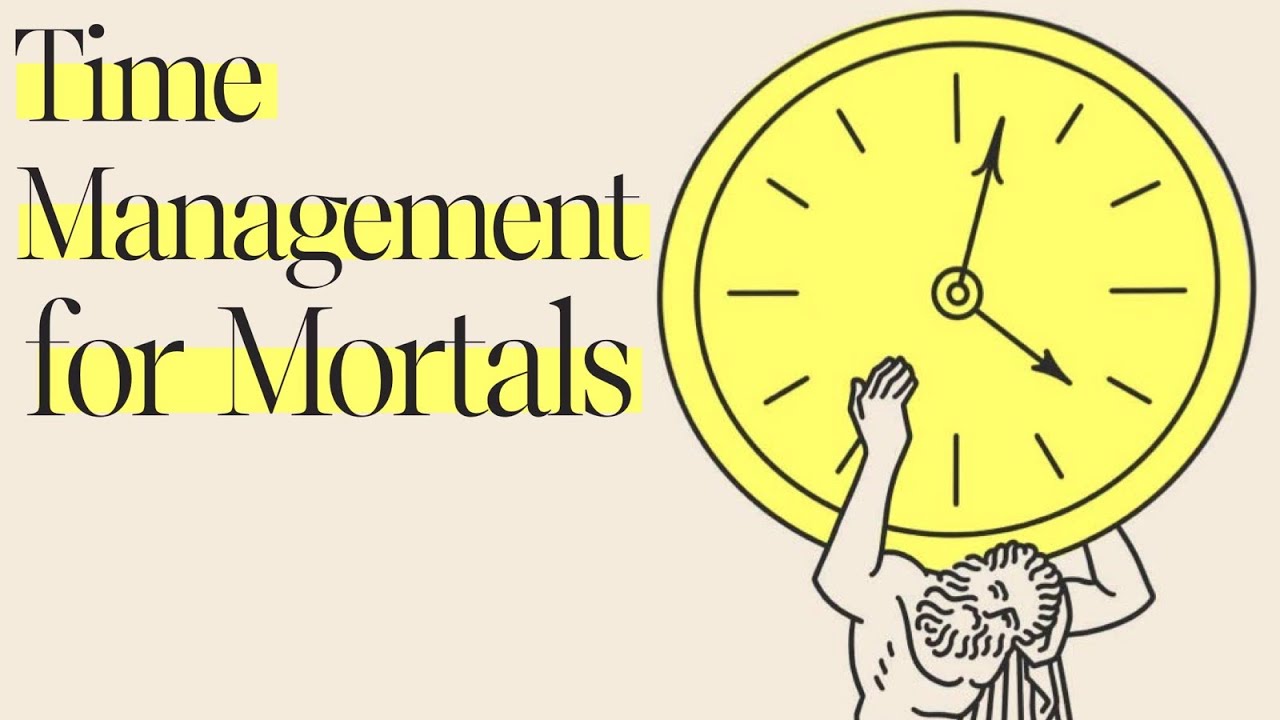
This particular blog post struck a chord with me. It's about the existential feeling that we're stuck in a kind of "productivity debt," where we always feel like there is a to-do list to be tackled, and if we come up short, we "owe" it back the next day.
|
His idea to combat this is to create a "Done List." So rather than building a To-Do List of fifteen things you must check off throughout the day, start the day with a blank piece of paper, and each time you do something, write it down on your "Done List." It could be as simple as brushing your teeth or making a cup of coffee.
|
Burkeman writes, "Each entry is a cheering reminder that you could, after all, have spent the day doing nothing constructive – yet look what you did instead!"
|
Shoes I'm Wearing
|

|
In the last few years, I've become a huge proponent of foot health. Our feet are our only connection to the ground, yet we choose to wear bulky cushioned shoes that act as protective casts over our body's natural running mechanics of muscles and tendons. Your shoes cause you to heel-strike and make it more comfortable to run with longer strides and a pounding gait that is too hard for your body.
|
Imagine wearing mittens over your hands 24/7. Over time, your hand strength to atrophy, and the limitation of the mittens would force you to over-recruit effort from your wrists, forearms, and elbows.
|
Sneakers are the cause of many running injuries: not in of themselves, but they can open the gateways for them. If you run with proper form (fore or midfoot strike) and you don’t overstride, you’ll be fine with sneakers.
|
Sneakers do, however, cause your feet to weaken ironically due to the protection they provide, and allow the foot to move in unnatural ways at times.
|
That's why I started looking for more minimalist shoes like these from VivoBarefoot.
|
The important thing to note is that if you've been wearing running shoes for a while, it's not a great idea to switch directly to barefoot (or almost barefoot) cold turkey. You want to slowly ramp up time barefoot running until your running style shifts and your feet build up some strength. But once you do, you may find that a lot of your old injuries don't come back
|
|
The least you can do, however, is stop wearing shoes indoors. Or switch to shoes with no heel in them (i.e. Vans).
|
|
Quote I'm Pondering
|

|
|
|

|
Keith and Kyle sit down to discuss Ray Dalio's principles for dealing with the changing World Order, the psychology of political worship, the importance of appreciating the moment over-romanticizing the past and future, and how children bring magic to the holidays. You can also listen to and watch this episode on Spotify.
|
Books mentioned in this episode:
|
|
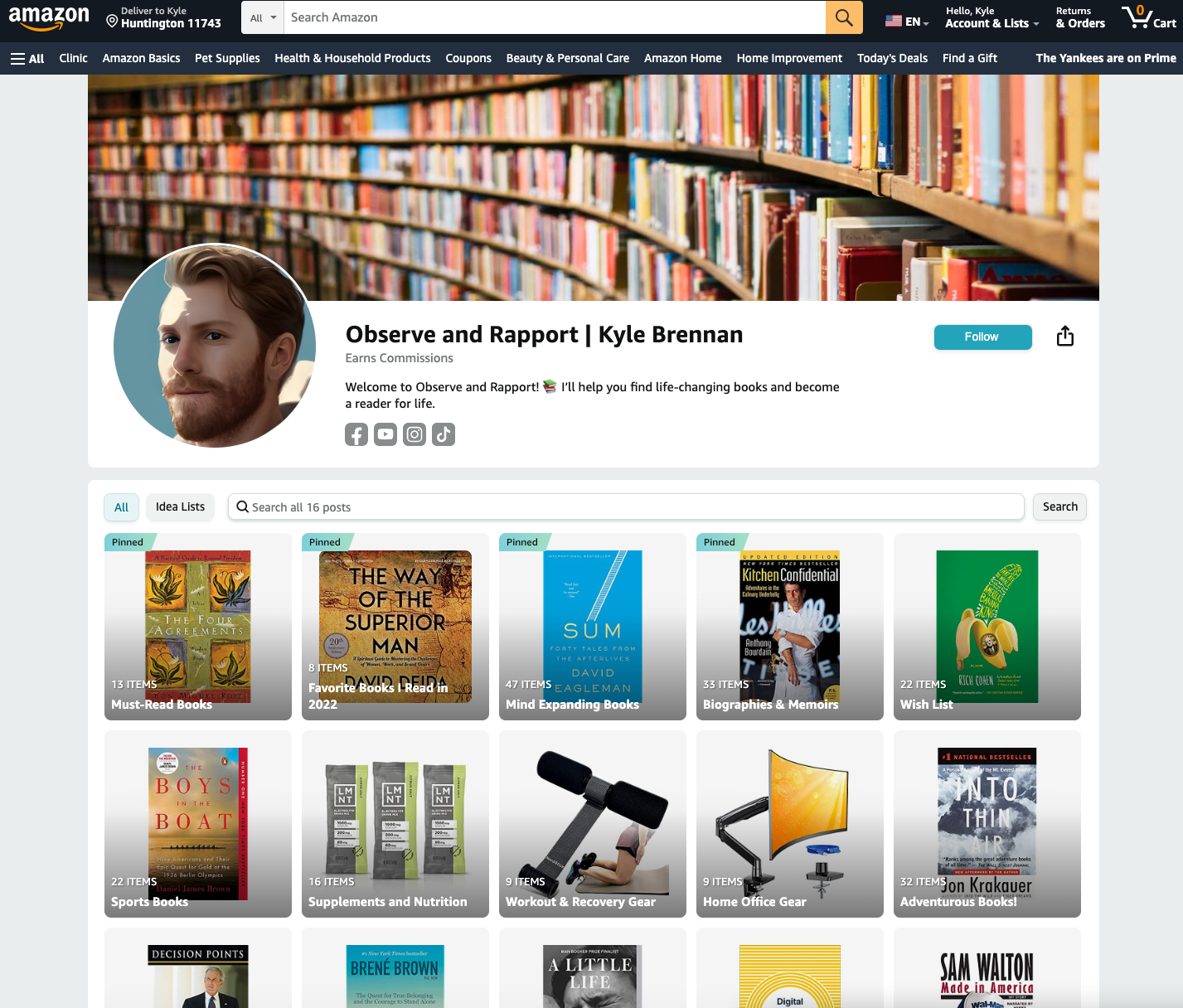
Check Out My Amazon Favorites Bookstore
|
|
|
Browse my favorite book selections hand-curated by me. I also earn commissions so if you buy anything, those earnings get reinvested right back into this fancy newsletter ;)
|
|
  
|
Reminder to share this newsletter with friends and family! Subscribe link here
|
|
|
|
|
|
|
|

|
|
|
Kyle's Published Work
|
|
|
|
|
|
33 Life Lessons on My 33rd Birthday
|
|
|
|
Thirty-three was a big one. Mostly because I became a dad. Our daughter was born on New Year’s Eve — a fitting arrival for a kid destined to reset everything. It’s been a beautiful, if slightly sleep-deprived blur ever since. I’ve only been “Dad” for less than ten months, but if I’m being honest, I’ve been preparing for the role for over …
|
|
|
|
|
|
|
|
Depth Over Downloads: Why Spending Time with Books Still Matters
|
|
|
|
Everyone wants faster information. But no one asks if faster information leads to better understanding — or a better life. In the age of AI and tweet-sized wisdom, we’ve confused information with transformation. But there’s a massive difference between knowing what a book says and being changed by it. The Delusion of Instant Learning In a recent interview, political journalist Ezra Klein admitted he once believed …
|
|
|
|
|
|
|
|
The Jack Reacher Approach to Never Being Caught Off Guard
|
|
|
|
There’s no difference between a pessimist who says, ‘Oh, it’s hopeless, so don’t bother doing anything,’ and an optimist who says, ‘Don’t bother doing anything, it’s going to turn out fine anyway.’ Either way, nothing happens.” —Yvon Chouinard, Founder of Patagonia I don’t read much fiction, but I’ve always been hooked on Lee Child’s Jack Reacher. He’s not your typical …
|
|
|
|
|
|
|
|
|


